
Fulton County Arrest Records
Fulton County arrest records come from the arrest, booking, or custody side of the process. They can connect to the Sheriff's Office, jail custody, inmate listings, or public-safety records. A court charge record begins later, when the Prosecuting Attorney files a formal accusation in Fulton Circuit Court or Fulton Superior Court and the case becomes part of the court record.
That split matters. A jail or arrest record may reflect an allegation, hold, custody status, or booking event before the prosecutor decides what to file. Court charges after arrest are tracked through the criminal case, where each charge can be pending, amended, reduced, dismissed, or resolved by plea or trial. The full case file and outcome belong on the criminal court records side, while jail roster and custody detail belong with inmate records.
The Indiana Department of Correction incarcerated search is a state prison lookup, not a Fulton County jail booking database or local court-charge index.
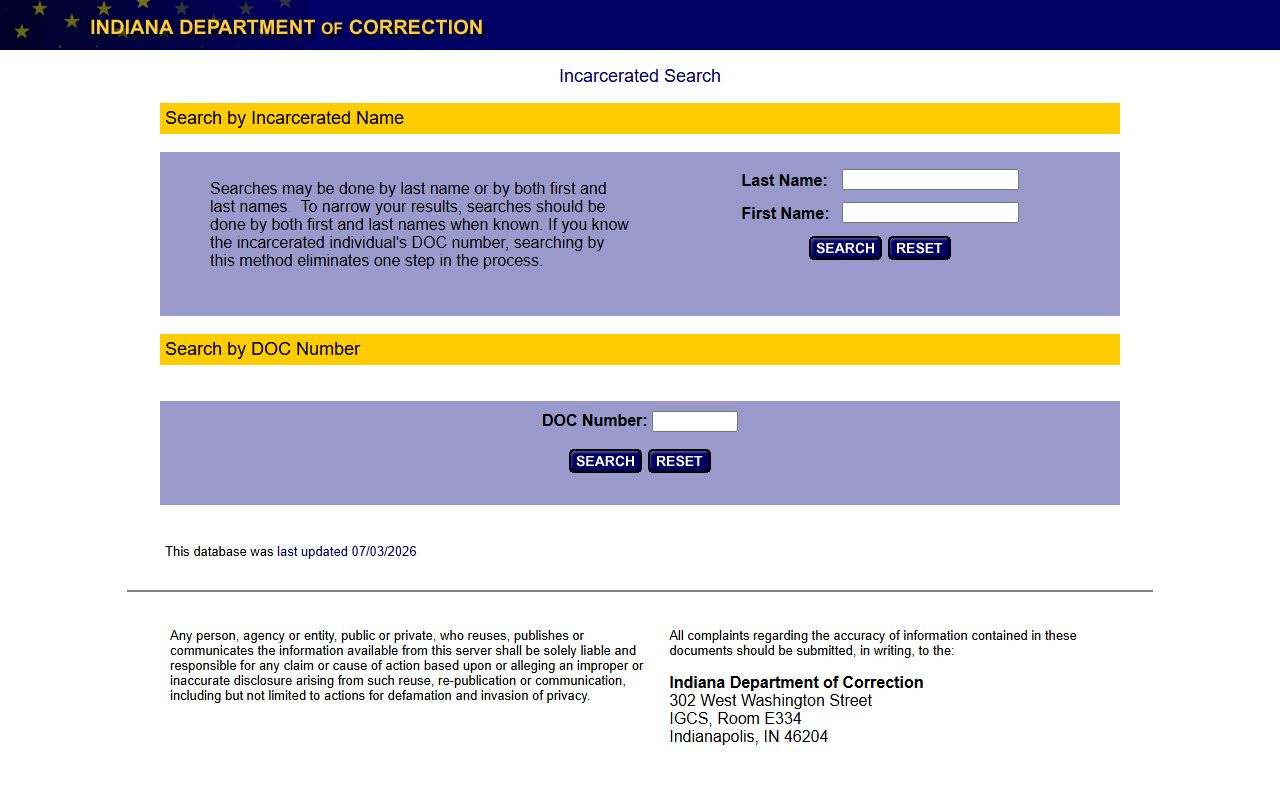
Use that state source when a person may be in state custody after sentencing, while local arrest and charge questions should start with sheriff, jail, MyCase, or the clerk.
Find Fulton Arrest Records
The arrest-to-charge pathway uses several official channels. Jail and booking questions route to the Fulton County Sheriff's Office and the county jail app or jail phone. Filed charges route to Indiana MyCase and the Fulton County Clerk because the prosecutor's filing becomes part of the court case. State custody and notification systems can help after a person moves beyond county jail or when custody alerts are the goal.
- For current jail custody, check the Fulton County Sheriff's Office app path described by the county jail page or call the jail.
- For filed charges, search Indiana MyCase by defendant name, case number, or citation number.
- Open the criminal case and read the charge list, offense date, statute, degree, and charge status.
- Check the docket for amended, reduced, dismissed, disposition, or sentencing events.
- Use IDOC or SAVIN only for state custody, offender search, or notification information.
- Contact the Fulton County Clerk for certified copies or missing public charge documents.
Indiana SAVIN offender search is searchable by offender name, offender identification number, or case number.
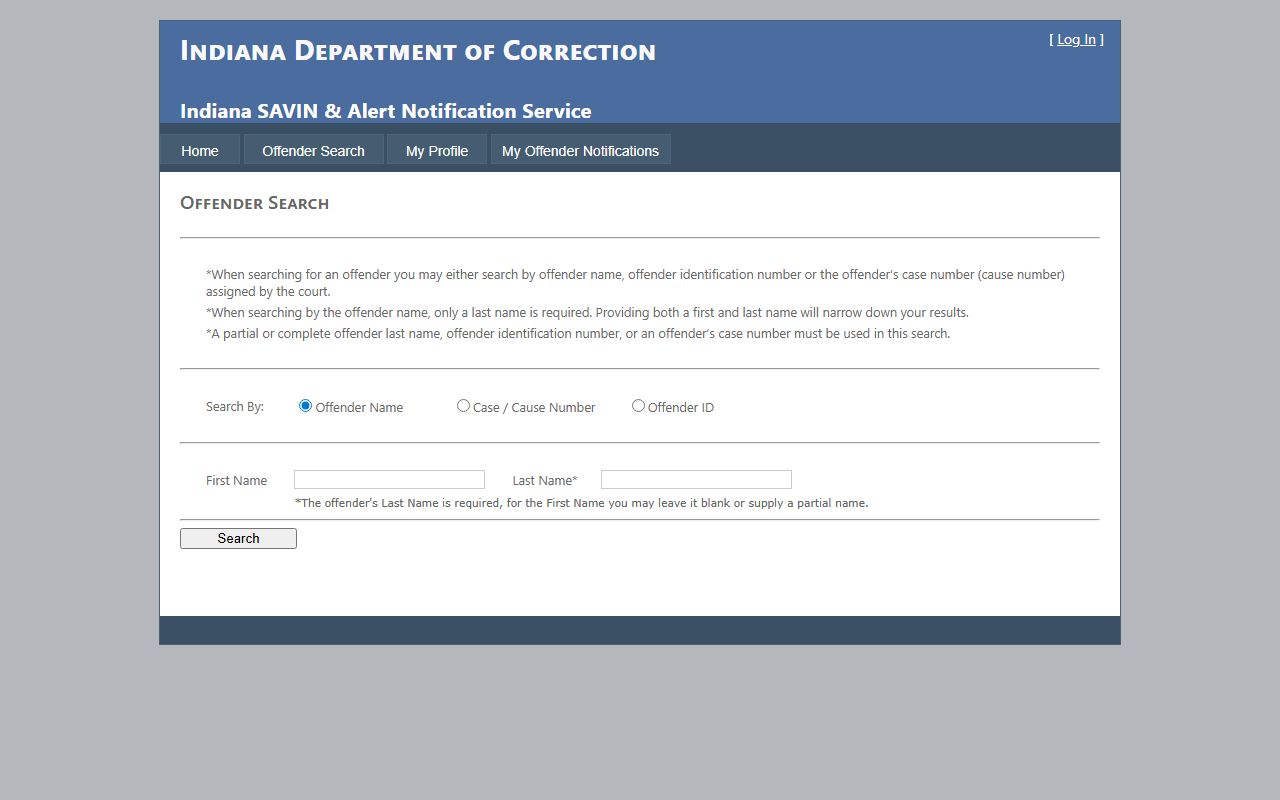
SAVIN helps with custody and notification searches, but a charge's legal status still has to be read in the court case record.
Charges Filed After Arrest
After an arrest or citation, the Prosecuting Attorney decides what formal charges to file. Indiana uses the term Prosecuting Attorney for this office. Fulton County's prosecutor serves the 41st Judicial Circuit and works with law enforcement agencies throughout the county. The charge record becomes a court record when the charging document is filed with the court and tracked by the clerk.
| Document | Who Uses It | What It Does | Fulton County Reading Tip |
|---|---|---|---|
| Complaint | Prosecutor or officer-supported filing | States the accusation and can begin a criminal or infraction case. | Read it with probable-cause and initial hearing entries when public. |
| Information | Prosecuting Attorney | Formal prosecutor-filed charge document used in many Indiana criminal cases. | Compare original charges with later amendments or dismissals. |
| Indictment | Grand jury process | Formal accusation returned through a grand jury path. | Less common in routine local lookup, but still a charge document if filed. |
Charge fields in the MyCase model can include citation number, offense date, offense statute, offense degree, offense modification, and original offense degree. One arrest can produce multiple counts, and each count should be read on its own.
Fulton Charge Status Table
A filed charge is not static. It can be amended if the prosecutor changes the allegation, reduced if the severity changes, dismissed if the charge is not pursued, or resolved by plea, verdict, or sentencing. The docket and charge list should be read together because a case status alone may hide count-by-count differences.
| Status | What It Means | How to Verify |
|---|---|---|
| Pending | The filed charge has not reached final disposition. | Check next hearing, motion, and bond entries. |
| Amended | The charge wording, statute, count, or degree changed after filing. | Compare original and current charge details. |
| Reduced | The charge level or offense changed to a less serious form. | Read plea, amendment, and disposition entries. |
| Dismissed | The charge ended without a conviction on that count. | Check whether other counts remain or were convicted. |
| Nolle Prosequi | The prosecutor declines to continue that charge. | Confirm local wording in the case docket or order. |
| Disposed | The court recorded an outcome for the charge. | Read the disposition and sentence fields. |
The Indiana Department of Correction homepage links offender locator, registry, and SAVIN resources that may become relevant after a charge turns into a conviction and custody event.
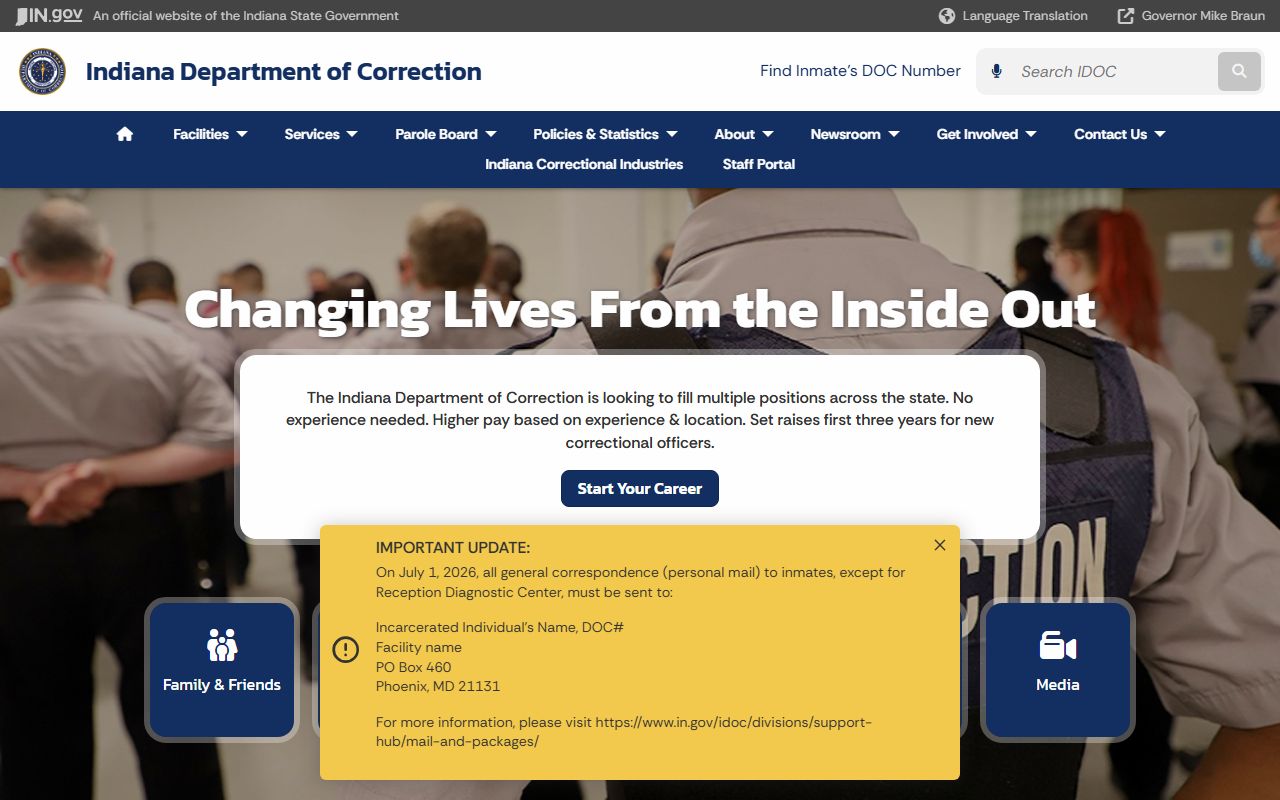
Those state custody tools are downstream resources; the court charge status itself remains in the court case record.
Charge vs Conviction
Being arrested or charged is not the same as being convicted. Fulton County arrest records can document a custody event, and court charges after arrest can document accusations filed by the prosecutor. A conviction requires a guilty plea, verdict, or other court-entered guilt result. Public users should avoid reading every filed count as a final criminal outcome.
| Point | Charge | Conviction |
|---|---|---|
| Core Meaning | Formal accusation filed in court. | Guilt result entered by plea or verdict. |
| Timing | Appears after arrest, citation, or prosecutor filing. | Appears at disposition or sentencing stage. |
| Record Clue | Look for statute, degree, amendment, and status. | Look for guilty finding, sentence, costs, probation, or judgment. |
| Risk of Misread | May later be dismissed or reduced. | Can still be subject to appeal, correction, or expungement rules. |
The complete case sequence, including pleas and sentences, is covered in Fulton County criminal court records.
Charge Codes and Degrees
Indiana charge records can identify the offense statute and degree. The MyCase model includes the current offense degree, original offense degree, and offense modification where present. This is important in Fulton County because the current charge may differ from the original arrest allegation or original filing. A lower degree, amended offense, or dismissed count can change how the case should be understood.
Charge codes should be read with dates and court events. The offense date can differ from the arrest date or filing date. A citation number may appear for traffic or infraction-related cases. A criminal cause number identifies the court case. If a charge list is unclear or a document is missing, the clerk or court is the official source.
Note: One arrest can lead to several court charges, and each charge can have a different final status.
State Charge Lookup Channels
Several Indiana state systems can appear in an arrest or charge search, but each has a different role. IDOC handles state prison custody. SAVIN supports custody notification search. The Indiana Protection Order Registry links protection and no-contact orders with IDACS and NCIC, but it is not a general arrest-warrant or charge database. Indiana public-record and court-record rules still control what the general public can view.
| System | Search Fields | Best Use |
|---|---|---|
| IDOC Offender Locator | Name or DOC number. | Sentenced state custody, not county jail booking. |
| Indiana SAVIN | Offender name, ID number, or case number. | Custody notification and offender search. |
| MyCase | Case number, citation, party, business, attorney, location, court, status. | Filed charges and court case status. |
| Protection Order Registry | Registry technology connects orders to law-enforcement systems. | Protection/no-contact order infrastructure, not a public charge index. |
The Indiana Protection Order Registry technology page explains the link between court orders, IDACS, and NCIC.
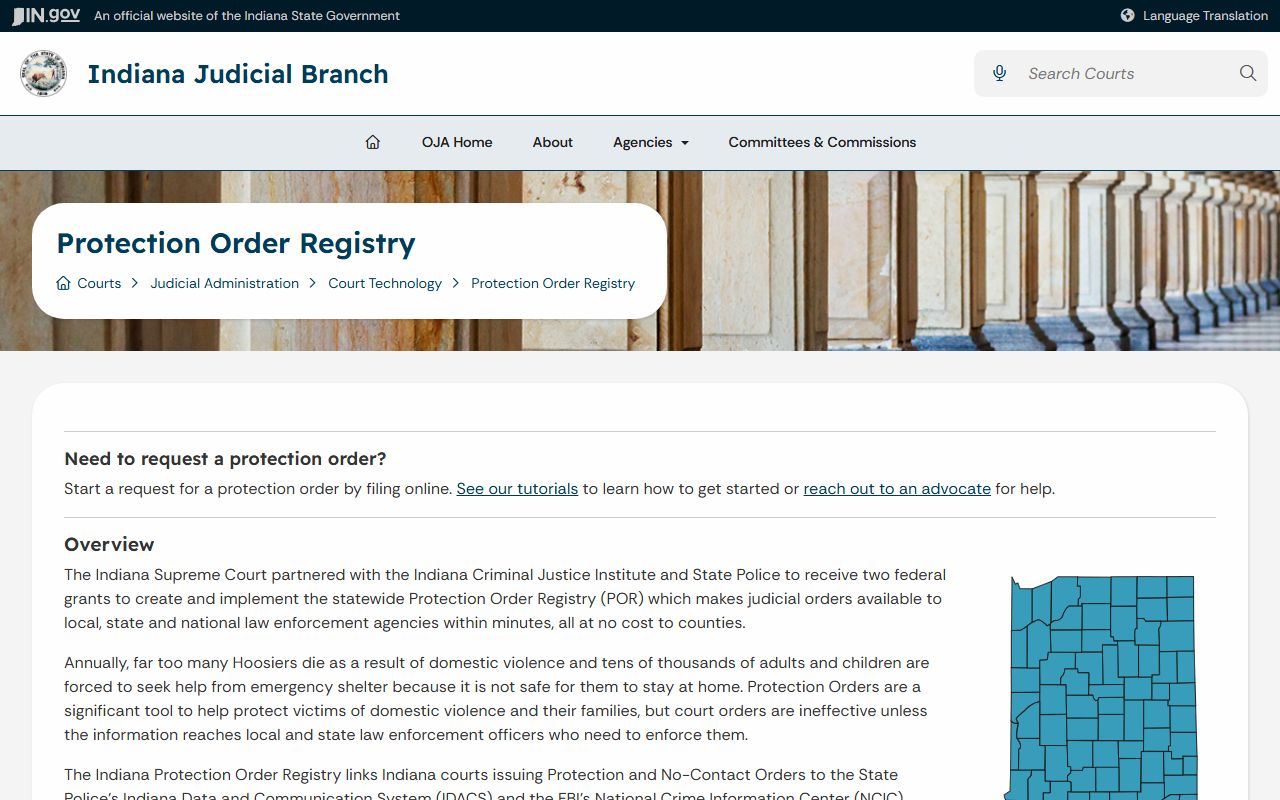
That source is relevant when a charge or arrest search overlaps with protection-order or no-contact order questions.
Arrest Charge Access Rules
Indiana public-records law and court access rules favor access to public court records, but they do not make every arrest, charge, juvenile matter, or protected case public. Public records held by agencies are generally open unless an exception applies. Court records are public unless excluded by rule, statute, or court order. Sealed, expunged, juvenile, protected-party, adoption, mental-health, and personal-identifier information can be hidden or redacted.
The Indiana Code Title 5 source supports the general rule that public records held by public agencies are open unless an exception applies.
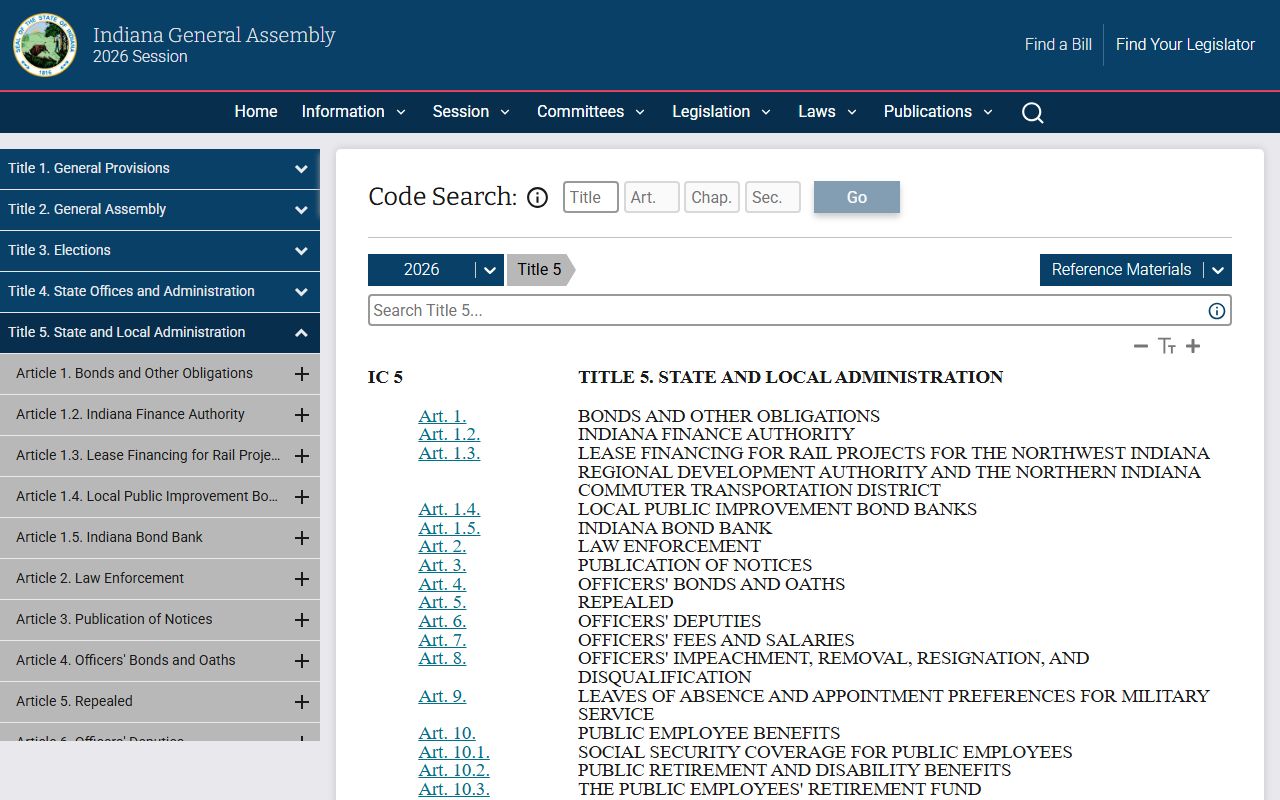
That public-record rule works with, not over, court access rules and confidentiality laws for restricted records.
Sealed vs Expunged Charges
Indiana expungement and sealing rules can affect arrest records, charge records, convictions, protection-order records, juvenile records, and infractions. A dismissed charge may still appear until it is restricted through the proper process. A granted expungement may change public access, but a denied or pending expungement case can remain public according to Indiana court guidance.
| Point | Sealed | Expunged |
|---|---|---|
| Public Result | Removed from ordinary public access by rule, statute, or order. | Restricted under Indiana expungement law and court order. |
| Common Trigger | Confidential category, judge order, or protected information. | Eligible petition tied to arrest, charge, conviction, or related record. |
| MyCase Effect | May hide the case, document, or field. | May remove or restrict public case data depending on record type. |
| Limit | Authorized users may still have access. | Not all offenses or records qualify. |
The Indiana Code Title 31 source is relevant because juvenile records are treated separately and many are confidential or limited to specified people.
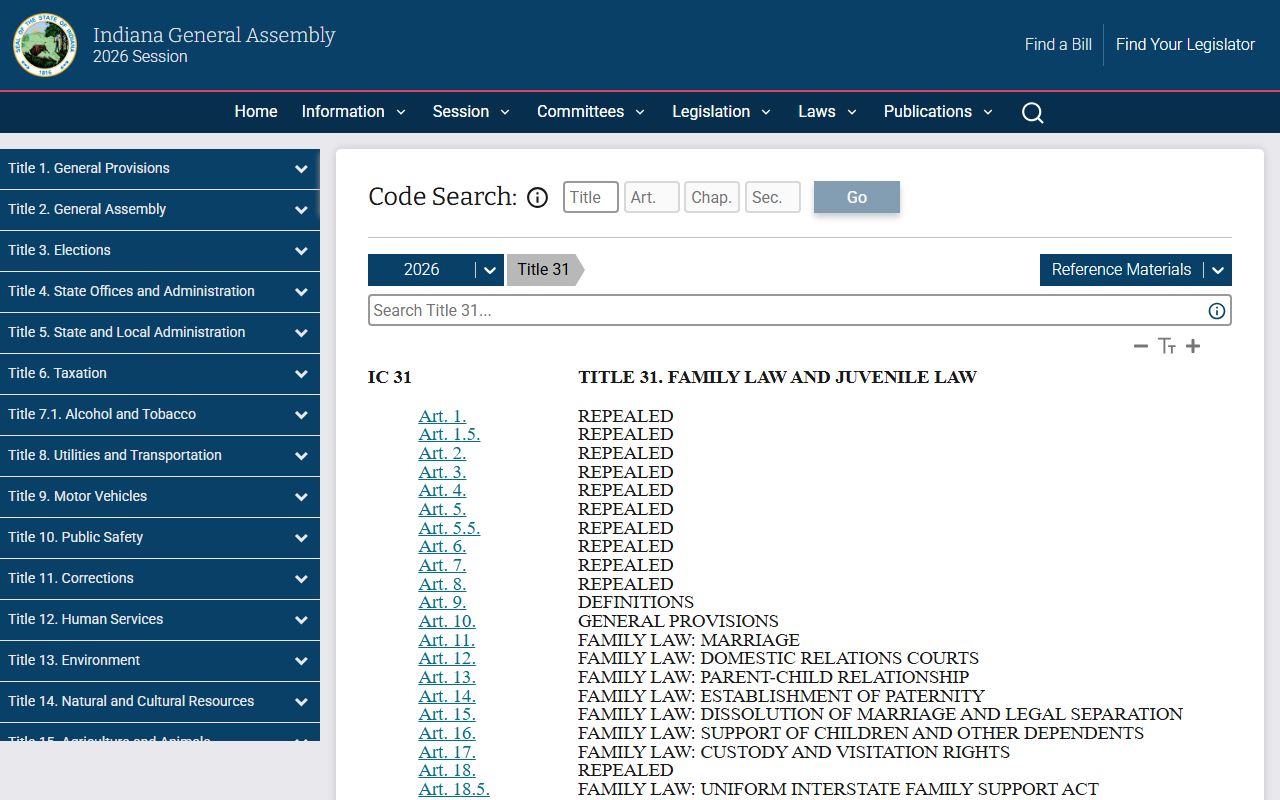
That source supports the warning that juvenile arrests or charges should not be treated as ordinary public adult charge records.
Fulton Charge Record Offices
For local arrest and custody questions, use the Sheriff's Office or jail. The sheriff's page names Sheriff Travis Heishman and lists the Sheriff's Office and Jail at 2006 Sweetgum Road in Rochester. The jail page says the mobile app includes inmate listings, commissary, medical information, and more. For charges filed after arrest, use MyCase and the Clerk of Courts at 815 Main Street.
Fulton County Prosecuting Attorney
815 N Main Street #301
Rochester, IN 46975
574-223-6147
The County of Fulton app is documented in the research through Apple and Google Play links. The Apple listing was a failed image row for the court records page, but the URL remains relevant to arrest and custody context: County of Fulton app on the Apple App Store.