
Fulton Criminal Court Records
A Fulton County criminal court record is the court case file, not just an arrest note or jail listing. It begins once criminal charges are filed in the proper trial court and the clerk creates or maintains the case record. The file can include the charging information, probable-cause material where public, initial hearing entries, bond orders, motions, hearing settings, plea events, dispositions, sentencing events, final orders, judgments, and costs.
Fulton County criminal cases are handled in the county's Circuit and Superior Courts, both courts of record. The Prosecuting Attorney files or amends charges for the State of Indiana, and the Clerk of Courts maintains the local court information and court financial records. For the charge list itself, see the arrest and charge page; for a broader search across civil, family, probate, and traffic records, use the general court records page.
The Fulton County Prosecuting Attorney page identifies Michael T. Marrs as prosecutor for the 41st Judicial Circuit and ties the office to public safety and criminal case work.
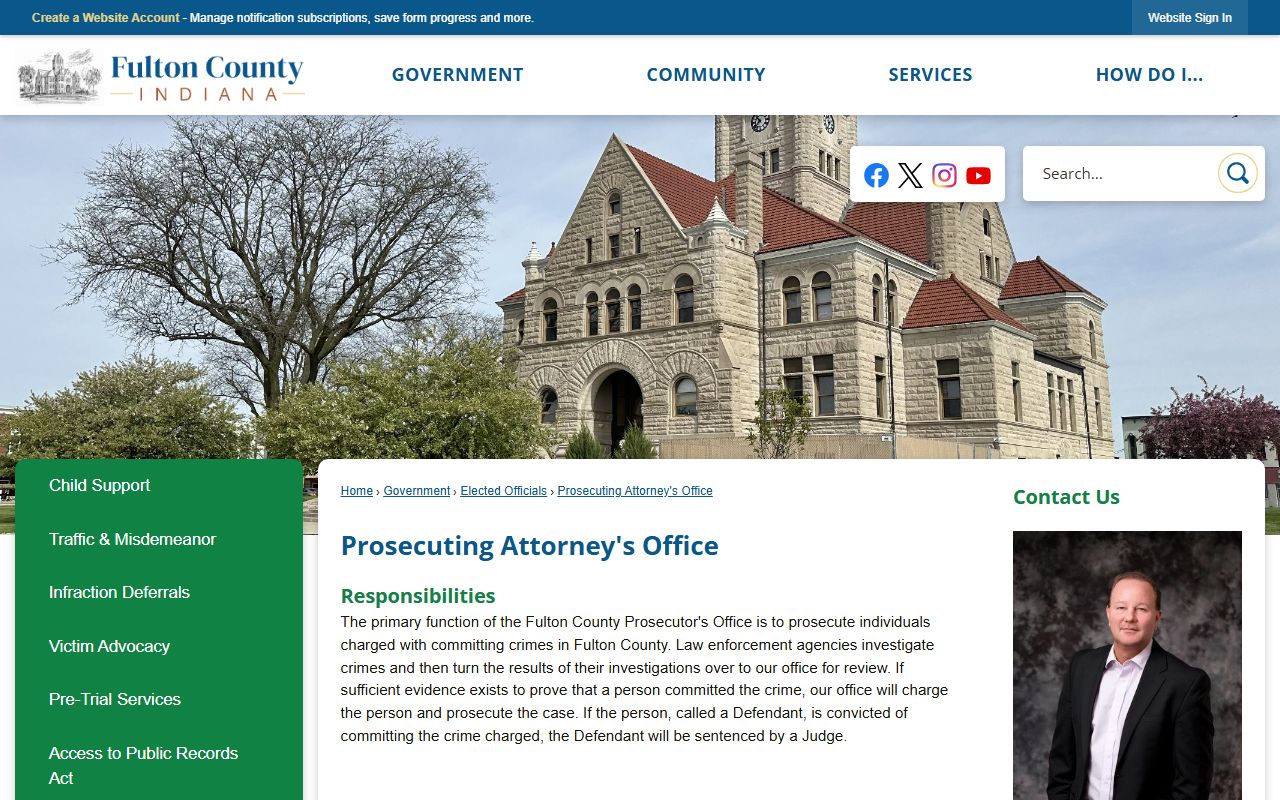
That source supports the local distinction between prosecutor-filed charges and the court case record kept after filing.
Search Fulton Criminal Records
Public Fulton County criminal court records are searched in Indiana MyCase when the case is public and available through Odyssey. Search by defendant name, case number, citation number, or attorney information, then filter by Fulton County or the local court when the interface allows it. Criminal case results can show the case style, court, filing date, status, charge information, events, bonds, documents, and financial details.
- Open Indiana MyCase and read the access notice.
- Search by defendant name, business name if relevant, case number, citation number, or attorney.
- Use Fulton County, Fulton Circuit, or Fulton Superior filters when available.
- Open the case summary and read charges, bonds, events, documents, and financial fields.
- Use the docket entries to find disposition and sentencing events.
- Contact the Fulton County Clerk for certified copies, older records, missing public documents, or balance confirmation.
Some criminal history questions involve custody systems rather than court files. The Indiana Department of Correction offender locator is for sentenced state prisoners, not a county criminal case file. Indiana SAVIN can support custody notification searches by offender name, identification number, or case number. These tools can supplement a case search, but they do not replace the court record.
Fulton Criminal Case Flow
Criminal court records change as the case moves. A defendant may be charged, appear for an initial hearing or arraignment, receive bond terms, file motions, attend pretrial settings, enter a plea or go to trial, receive a disposition, and then receive a sentence if convicted. Not every case has every event, and some entries may be sealed or not posted online.
Case flow: Charges Filed › Initial Hearing or Arraignment › Pretrial and Motions › Plea or Trial › Disposition › Sentencing
| Stage | What Happens |
|---|---|
| Charges Filed | The prosecutor files formal charges, and the court case record begins or updates. |
| Initial Hearing or Arraignment | The defendant is advised of charges, rights, and bond or release conditions. |
| Pretrial and Motions | Parties file requests, exchange information, address evidence, and prepare for plea or trial. |
| Plea or Trial | The case may resolve by plea, bench trial, jury trial, dismissal, or acquittal. |
| Disposition | The court records the outcome for the case or each charge. |
| Sentencing | If there is a conviction, the court orders jail, prison, probation, fines, costs, restitution, or other terms. |
Fulton Criminal Record Fields
MyCase's public model exposes many criminal case fields, but public display depends on access rules. Fulton County criminal court records can show the header, parties, charges, bonds, court events, final orders, documents, cross-references, related cases, and financial entries. A case may have several charges, and each charge can have its own status, amendment, or disposition.
| Field | What It Shows |
|---|---|
| Case Number | The Indiana cause number for the criminal case. |
| Court | Fulton Circuit Court or Fulton Superior Court. |
| Defendant | The named defendant and public party details when available. |
| Prosecutor / State | The State of Indiana as prosecuting party, with prosecutor action shown through filings and events. |
| Charges | Citation number, offense date, statute, offense degree, modification, and original degree. |
| Bond | Bond number, amount, status, and status date if public. |
| Events | Hearings, motions, orders, disposition events, sentencing events, and violations. |
| Plea | The defendant's answer or plea event when entered in the record. |
| Disposition | The outcome, such as guilty, dismissed, acquitted, or another court-entered result. |
| Sentence | Jail, prison, probation, fines, costs, restitution, or other sentencing terms if public. |
| Documents | Final orders, judgments, and rule-allowed criminal documents when linked. |
The Indiana Judicial Branch glossary is useful when reading criminal court records with terms such as disposition, bond, judgment, motion, order, sentence, and warrant.
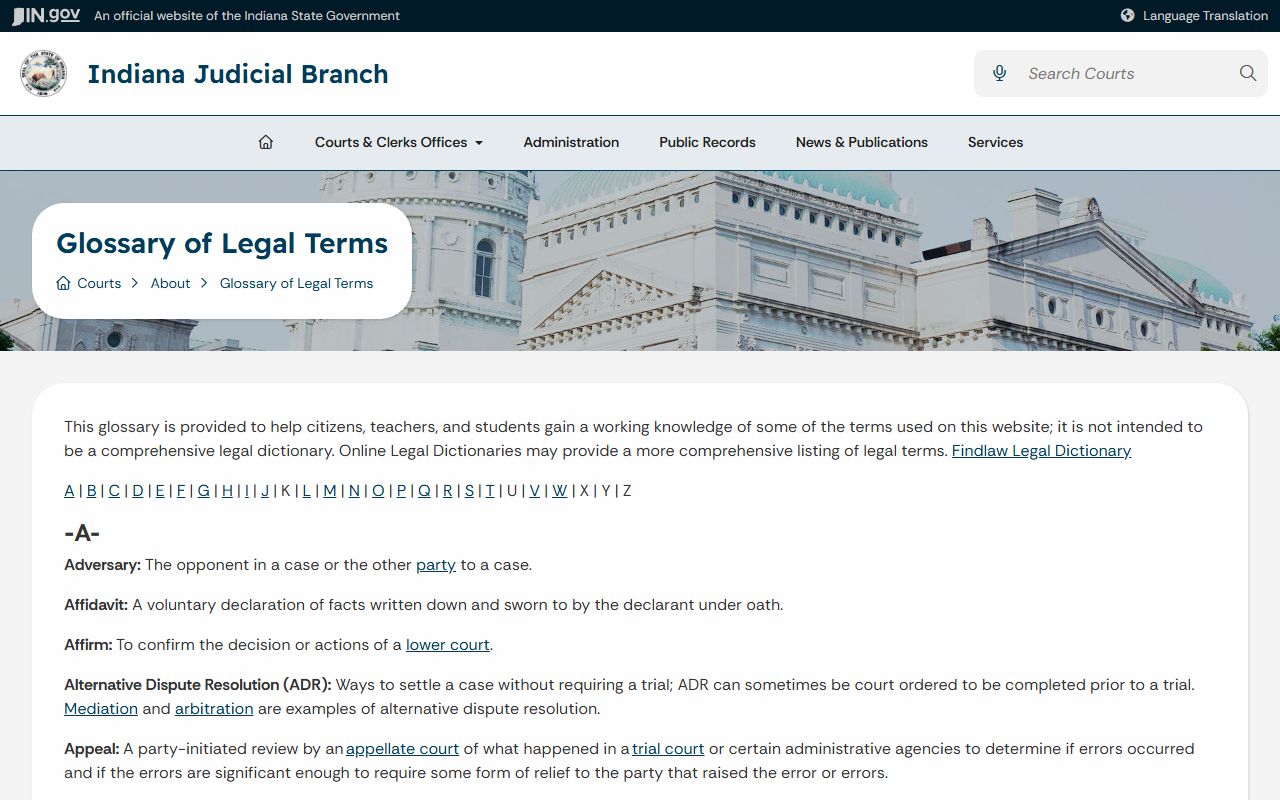
Those plain definitions help prevent a charge, dismissal, plea, and sentence from being read as the same kind of entry.
Charges vs Convictions
A charge is an accusation filed in court. A conviction is a final guilt result by plea or verdict. Fulton County criminal court records may show charges that were filed and later amended, reduced, dismissed, or resolved differently by count. One case can include several counts, and each count can end in a different way.
| Point | Charge | Conviction |
|---|---|---|
| Meaning | A formal accusation of violating a statute. | A guilt finding or guilty plea accepted by the court. |
| Timing | Appears early and can change as the case moves. | Appears after plea, verdict, or final disposition. |
| Proof | Can be based on probable cause and prosecutor filing. | Requires the legal standard for guilt through plea or trial. |
| Record Reading | Check status, amendment, dismissal, and disposition. | Read sentence, costs, probation, and final judgment entries. |
For court charges after arrest and charge-status terms, use Fulton County arrest records and court charges.
Read Dispositions Sentences
Disposition is the outcome. In a criminal case, a docket may show a guilty plea, not-guilty finding, dismissal, acquittal, amended count, or other result. A sentence is the court's punishment or supervision order after conviction. Fulton County criminal court records can also show costs, credits, payments, restitution, probation terms, violation events, and later orders tied to the sentence.
Read dispositions by charge, not only by case header. A case status of closed does not tell whether each count was convicted, dismissed, or amended. When the online record is unclear, the Fulton County Clerk is the source for certified copies and official case file review.
Sealed vs Expunged
Indiana uses restriction and sealing remedies for eligible criminal records. The research identifies Indiana Code 35-38-9 as the key criminal expungement authority, with related paths for arrest, charge, conviction, juvenile, protection-order, and infraction records. Expungement is not a promise that every historical trace is physically destroyed. It changes public access according to the court order and type of record.
| Point | Sealed | Expunged |
|---|---|---|
| Public View | Removed from ordinary public access by law or order. | Restricted according to Indiana expungement law and court order. |
| MyCase Effect | May not appear or may show less detail. | May be removed from public search or limited by case type. |
| Who Acts | Court action, statute, or access rule controls access. | Eligible person petitions and the court decides. |
| Important Limit | Some authorized users may still have access. | Pending or denied expungement cases may remain public. |
The Indiana Code Title 35 source is tied to eligible arrest, charge, conviction, juvenile, protection-order, and infraction restrictions.
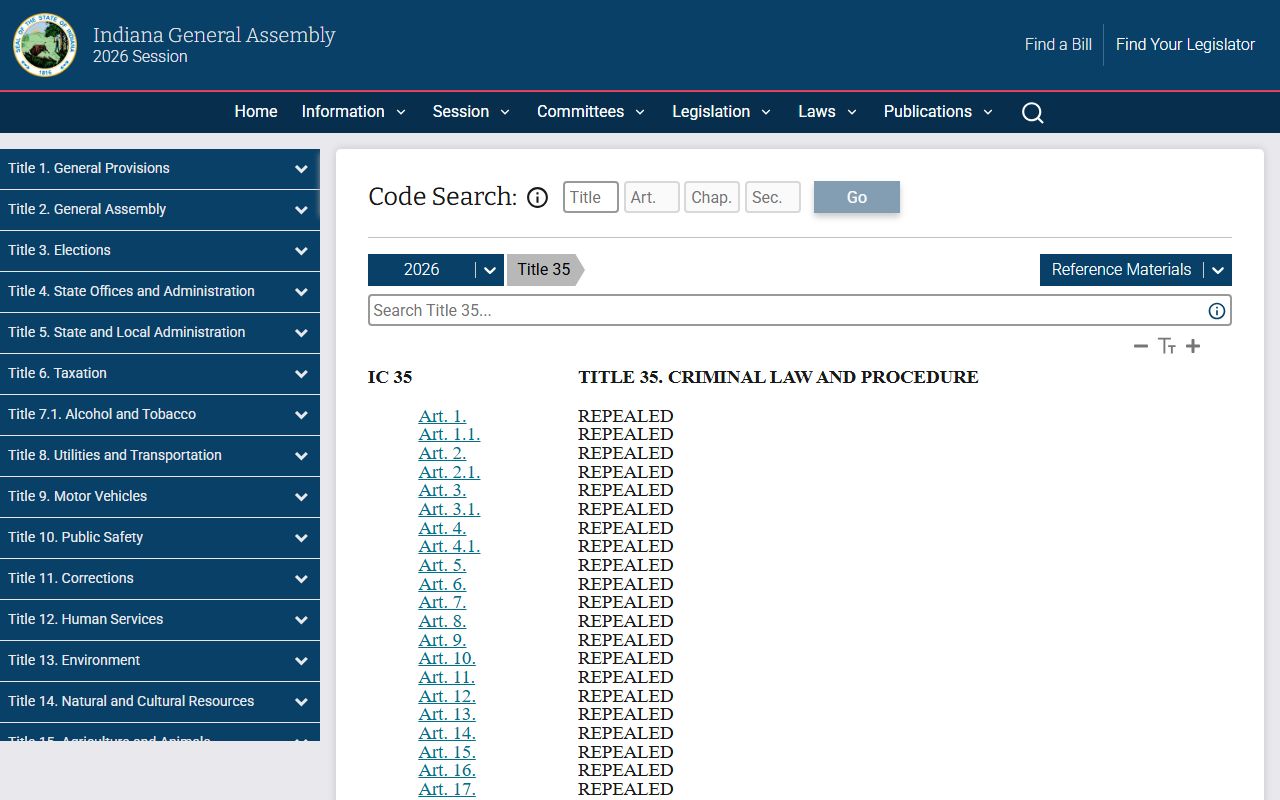
That statutory source supports careful wording about eligibility and public access rather than promising that every criminal record can be erased.
Criminal Records Public Access
Public access to Fulton County criminal court records is controlled by Indiana public-records law, the Indiana Access to Court Records Rules, and criminal-record restriction laws. MyCase may show public criminal case data and some documents, including final orders and judgments, but confidential, sealed, expunged, juvenile, and rule-excluded data is not public. Protection order protected-party data is excluded from online public access.
Key Authorities:
Indiana Code 5-14-3 states the general public-record rule for agency records unless an exception applies.
Indiana Access to Court Records Rules control public access, exclusions, and redaction for court records.
Indiana Code 35-38-9 governs many criminal sealing and expungement requests.
Background checks are different from casual case lookup. Any use for credit, employment, housing, insurance, or another regulated purpose must follow FCRA and other screening-law requirements. Public case search alone is not a consumer report.
Restricted Criminal Records
Restricted Fulton County criminal court records include sealed cases, expunged records, juvenile material, personal identifiers, protected addresses, and records withheld by statute or court order. Adoption and mental-health records are not ordinary public criminal lookup records, and protection-order protected-party information is not exposed through MyCase. A missing result should not be treated as proof that no case exists.
Fulton County is a small northern Indiana county, and many record paths point to the courthouse and clerk rather than several separate local court buildings. U.S. Census QuickFacts lists county population and land-area context, which helps explain why records, prosecutor functions, and local court activity are centered around Rochester offices instead of a large multi-branch court system.
The U.S. Census QuickFacts page for Fulton County provides local context for the county served by these criminal court records.
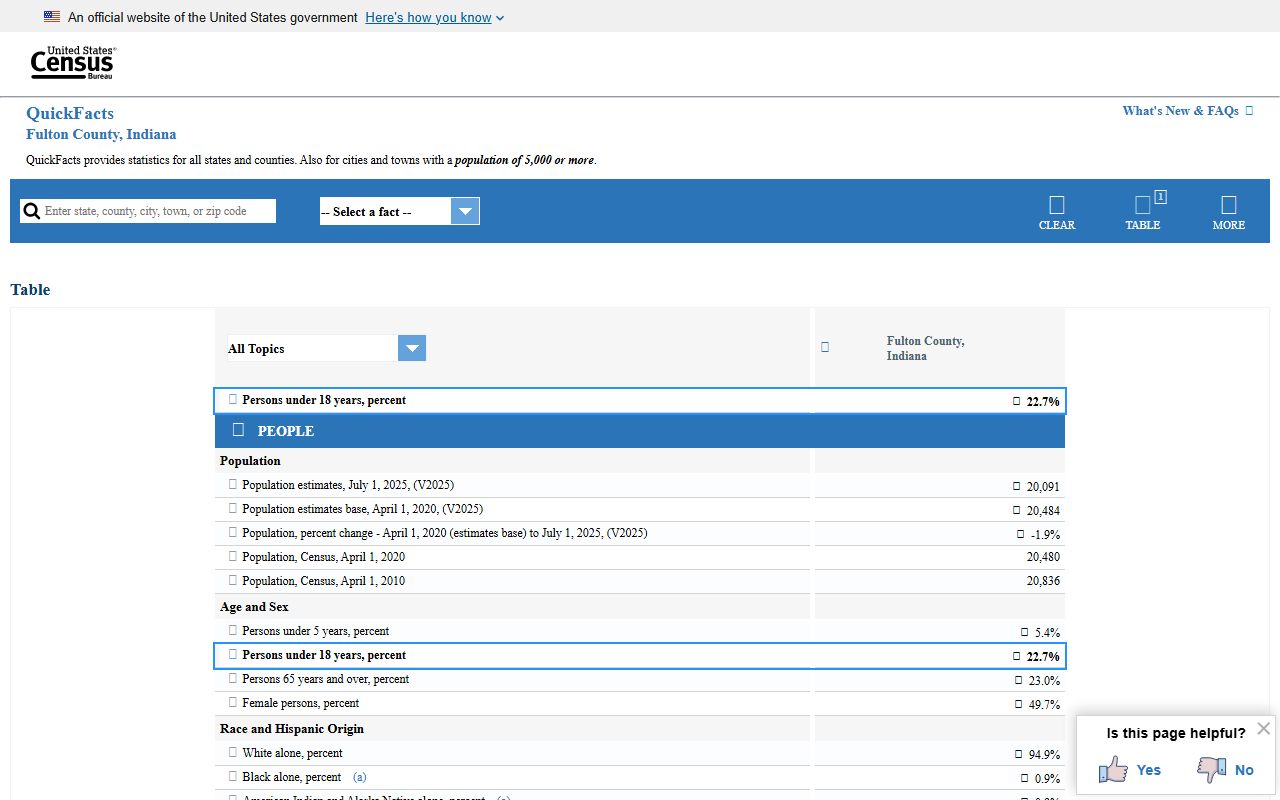
That context does not change access law, but it helps frame why local clerk and court contacts are central to record verification.
The Indiana detailed expungement PDF and the Indiana DNR historic register PDF were failed image rows in the manifest. Their source URLs remain useful in prose: Indiana detailed expungement information and Indiana DNR register list.